



core
technology
Clinical-oriented cell banks and process platforms
The core technology of Chi-Chi Biotech lies in its cell bank and process platform that are "clinically viable, scalable, and standardized."
From the very beginning of our cell source selection, we have considered future clinical trials and Investigational New Drug (IND) registration as prerequisites.
Planning the architecture of Master Cell Bank (MCB) and Working Cell Bank (WCB)
Process parameters and quality control measures ensure that every batch of cells meets clinical use standards in terms of safety and functionality.




Cell source management and MCB/WCB architecture
Cell source management
- Rigorous review of donor qualifications and relevant medical test records
- Establish a tracking system that links donor information with cell batch numbers.
Working Cell Bank (WCB)
- Cell banks derived from MCB for clinical trials and process scale-up.
- Design appropriate cell batch sizes according to the development needs of different indications.
Master Cell Bank (MCB)
- As a "original library" for long-term preservation and not directly used for clinical manufacturing.
- Undergo complete identity verification and security checks to ensure stable origin.
Frozen storage and temperature control management
- Standardized cryopreservation process and temperature monitoring system
- All cryopreservation operations are documented and traceable, meeting future audit requirements.
Process design centered on CMC requirements
In cell-based drug development, Chemistry, Manufacturing and Controls (CMC) is crucial to the success of IND review and clinical trials.
Scalability
- When scaling up from laboratory-level conditions to clinical-level conditions, try to maintain the same or comparable key parameters.
- Evaluate and implement suitable automated and closed-system cultivation systems to reduce the risks associated with manual operations.
Consistency
- Define Critical Process Parameters (CPP) and Critical Quality Attributes (CQA).
- By using batch records and statistical analysis, we can monitor batch-to-batch variations and continuously optimize the process.
Indication-oriented Design
- Customized cell dosage, route of administration, and formulation for different indications such as senile disorders and spinal cord injury.
- Develop assessment indicators related to efficacy in collaboration with the clinical team.
Documentation and auditability
- CMC documents are accumulated concurrently during the development process, including process flow diagrams, raw material control, quality specifications, and release standards.
- Prepare in advance for future submissions to the IND or relevant authorities in various countries.
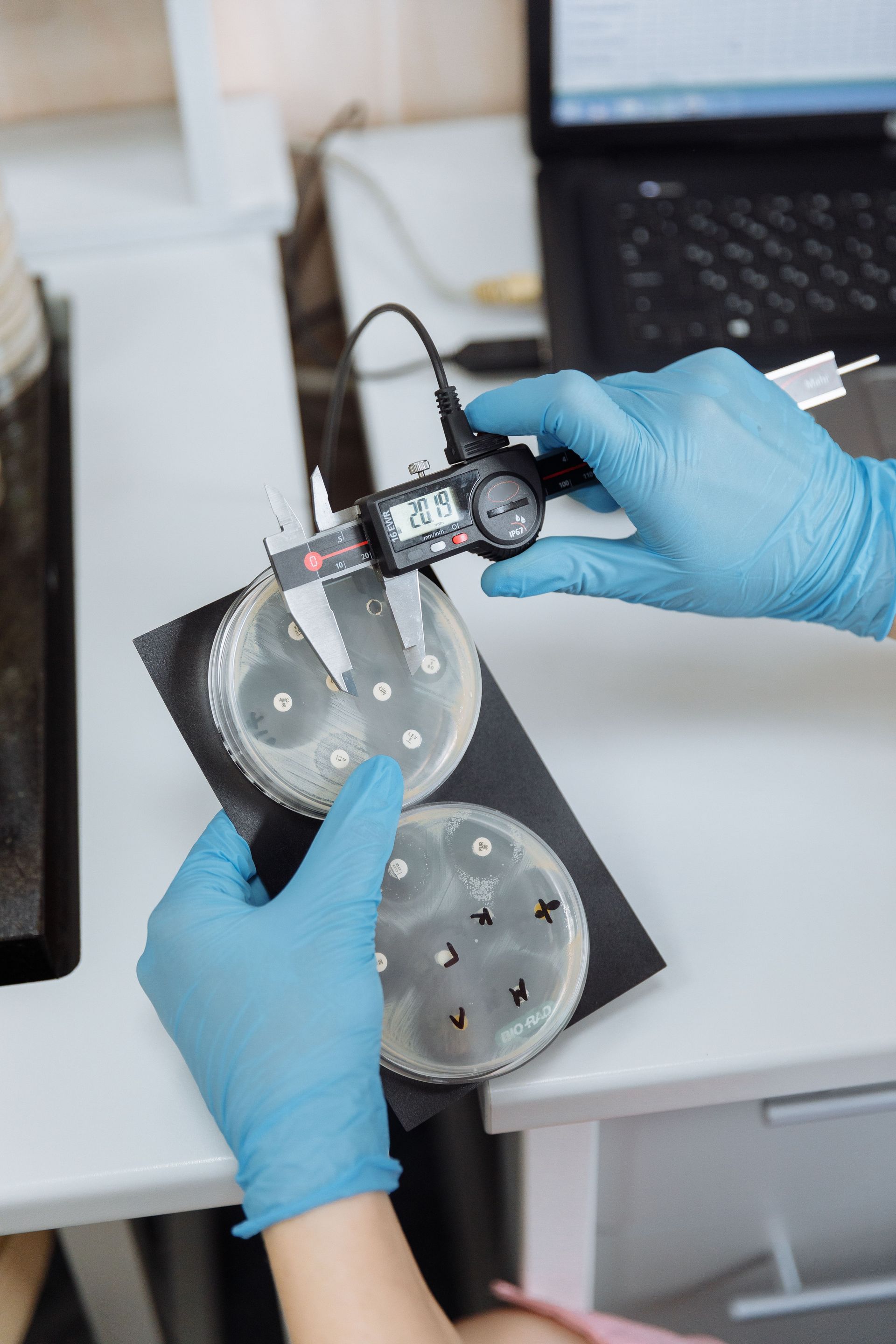
A complete detection layout from Identity to Potency
To ensure the safety and clinical predictability of its cell products, Chigi Biotech has established a multi-faceted quality testing framework for MSCs.

Identity verification
MSC characteristics were identified through surface markers and cell morphology.
Purity and Contamination Control
Detects bacteria, mold, endotoxins, and other factors that may affect safety.

Potency
Design functional tests related to immune regulation, anti-inflammation, or tissue repair, depending on the specific indication.

Safety
An assessment is conducted on items such as tumor formation risk and gene stability.
We collaborate with clinical and testing teams to continuously optimize these testing methods in order to establish efficacy indicators that are more relevant to clinical efficacy.
Starting with MSCs, connecting immune cells with other regenerative medicine technologies
Based on its MSC cell bank and clinical applications, Chi-Chi Biotech is also gradually accumulating technical experience related to immune cells (such as NK cells), and will evaluate the possibility of joint development of "MSC immune cells" in the future.
We continue to focus on emerging regenerative medicine tools such as exosomes in order to build a more complete portfolio of cell therapy products and platform capabilities.
Immune cell technology
Technological accumulation of NK cell and other immune cell therapies
combination therapy
Potential for the joint development of MSCs and immune cells